
Coffee Notes – Tasting Guide from famous Baristas
Updated January 2025
Why Coffee Knowledge Matters?
A cup of coffee includes not only drink but also stories. The land where the beans are grown, the efforts of farmers, and the touch of barista all come together and make a cup of coffee in the morning. Knowing coffee is not just only learning the way of brewing, but also understanding a long tradition and passion. If you know about differences between light roast and dark roast, and importance about temperature of water, you can discover a hidden taste.
when you drink espresso In the morning, or enjoy cortado in the evening, acknowledge of coffee makes every time to special. A small difference such as the size of grind, brewing time makes big changes, and the daily life becomes a special experience beyond simple hobbit. The process of learning stories of coffee is completely changed a way that you enjoy coffee.
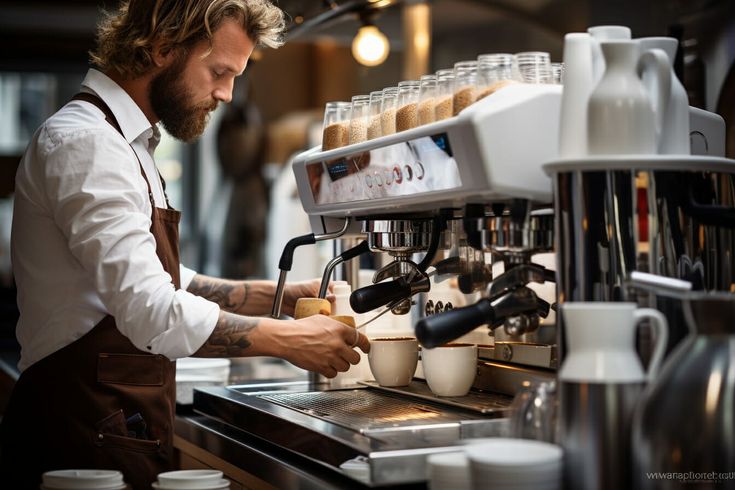
Today's Coffee Tip
Tip 01
Perfect Grind Size
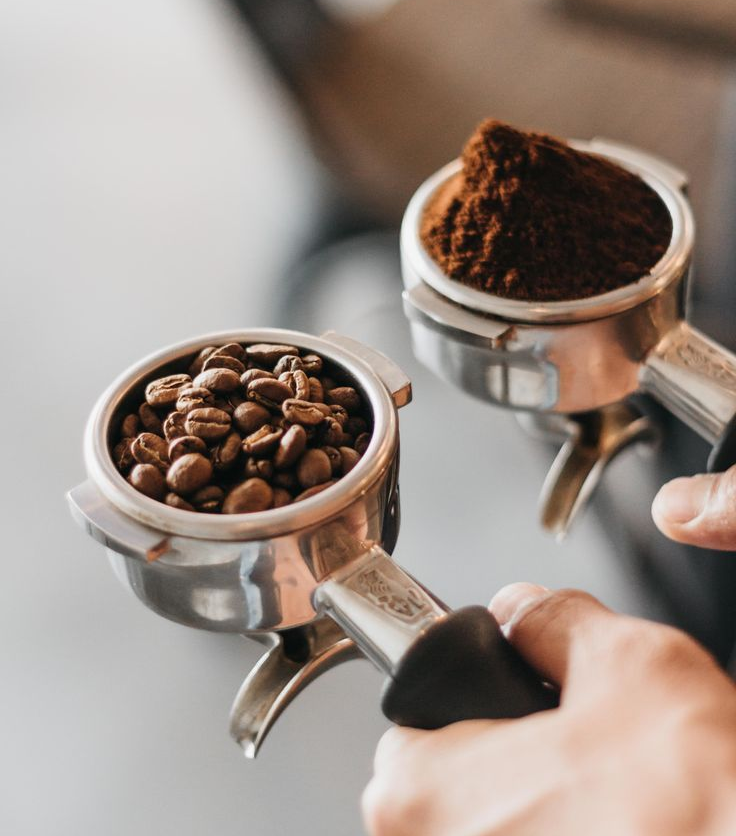
The taste of coffee depends on coffee grind size. For espresso, grind finer like sugar powder. And for frenchpress, grind coarser like sea salt. The basic rule is simple. If the coffee tastes sour, grind it more finer. If the coffee tastes bitter, grind it more coarser. If you want consistent grind, burr grinder is better than blade grinder.
Tip 02
Milk Frothing Magic
The latte art begins with foam. You should make a sound like paper tearing by using cold milk and putting the steam wand just below the surface. At this time, the soft micro forms appear. If the temperature becomes 60°C, put the wand deeply and heat it without air.
Tip 03
Latte Art Basics
Start pouring a latte from the bottom of cup slowly. If it is filled around half of cup, pour faster at the close to surface. If you want to make a heart, fill the middle of cup, and then finish with a quick line. The key point is smooth and silky forms. If the foam is too thick or too thin, the painting will not look good.
Coffee Bean Stories
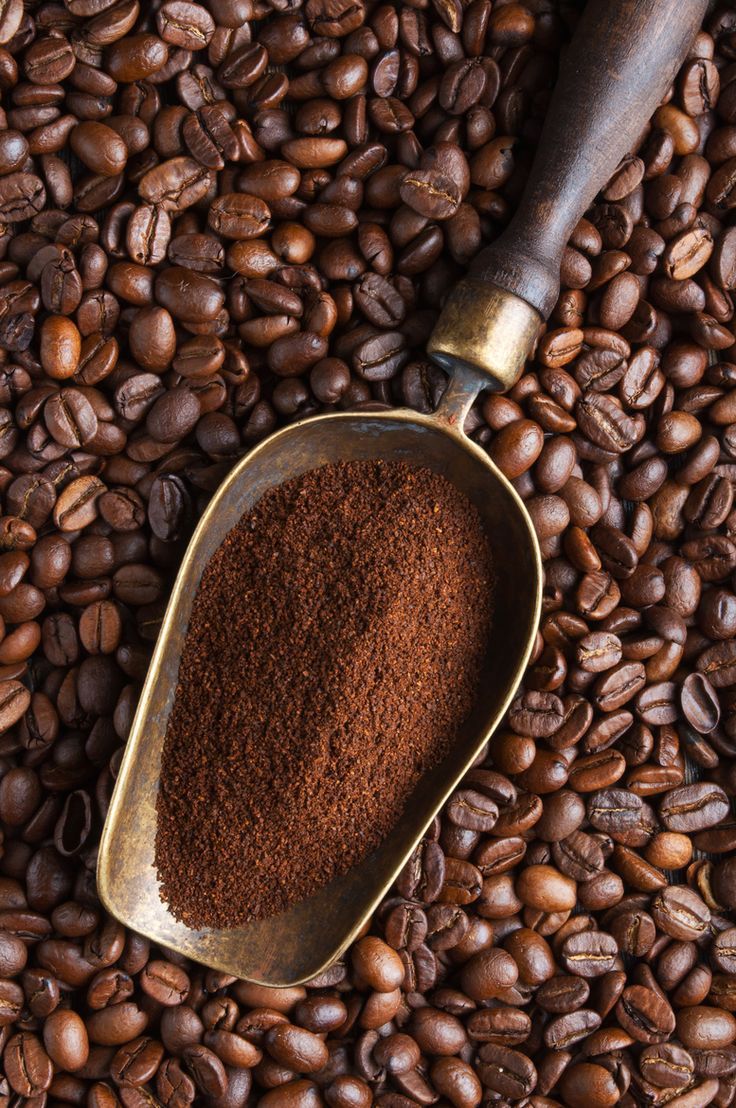
Arabica vs Robusta: The Great Divide
Arabica accounts for about 60% of production all over the world. The Arabica bean is famous for its sensitive and complex flavor. It gives diverse flavors such as fruit, flower, and nut. It is usually grown at high altitude, and made slowly because of cool weather and fertile soil. Because of these, Arabica coffee gives flavor with sweet and bright acidity. But this is difficult to cultivate because of pests and climate change. That’s why it’s expensive and considered a premium coffee.
On the other hand, Robusta is stronger than Arabica. It’s grown well in low altitude and hot areas. The caffeine is higher than Arabica twice. It gives a flavor like a strong, bitter, and earthy taste. The flavor is simpler than Arabica, but it suits a latte or cappuccino. Robusta is cheaper and works well for mass production and blending.
Difference of Roasting
According to the way of roasting, they have different tastes even if they are the same bean. Heat, time, and level affect coffee’s aroma and flavor.
- Light roast
Light roast shows features of origin and natural flavor very well. It feels like the flavor of fruit, flower, and acidity. It’s good for enjoying freshness and complex flavor.
- Medium roast
Medium roast has a roasted aroma and balance in the process of roasting. It’s the most popular because it tastes smooth and has acidity, sweetness, and body.
- Dark roast
Dark roast tastes rich and deep because it’s roasted with strong heat and a long time. It has aromas of chocolate, caramel, smoky, and bitterness.
Barista Secrets
First
Steam Wand Technique
We have to purge the steam wand before and after use and keep it clean. At first, we make foam just below the milk surface, and after that, immerse the wand deeper, and just heat it. This way, it is smooth and appears a consistent microfoam.
Second
Golden Ratio
The latte art begins with foam. You should make a sound like paper tearing by using cold milk and putting the steam wand just below the surface. At this time, the soft micro forms appear. If the temperature becomes 60°C, put the wand deeply and heat it without air.
Third
Café Workflow
Professional baristas usually use a ratio of 1:15(coffee) to 1:17(water) for pour over brewing. For espresso, they use a 1:2 ratio. If you keep this ratio, you can get a balanced flavor and aroma.
- If you use fresh milk, you can make better foam.
- Before brewing, we should preheat the machine to get a stable result.
- Last, a Barista is beyond skill, it’s a job to provide service and experience